0
0



APPLICATIONS
- Home
- Application
- Flavors and fragrances
- Farnesol
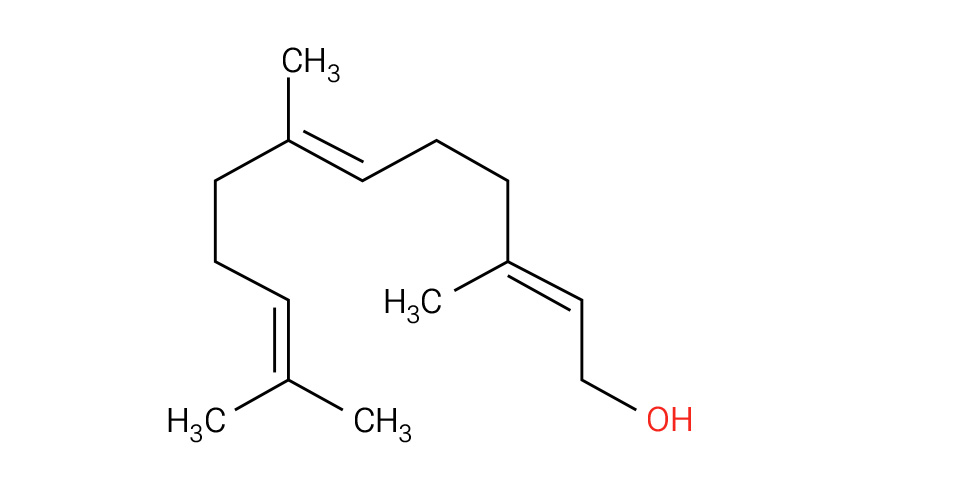
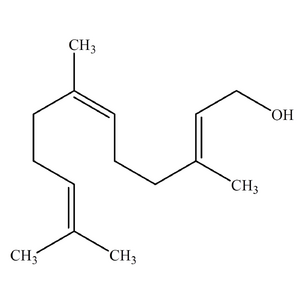
Farnesol
An Internationally Recognized Key Ingredient in Skincare
Farnesol was first studied and identified in the early 1980s by H. Janistyn. In the early 1990s, it was recognized by Cosmetic Scene as one of the emerging and important ingredients in skincare products.
Ingredient Characteristics & Sources
Farnesol has attracted significant attention from researchers due to its excellent skincare benefits.
It is associated with various essential neurotransmitters and fatty alcohols, and is commonly found in the following natural sources:

Rose

Cyclamen
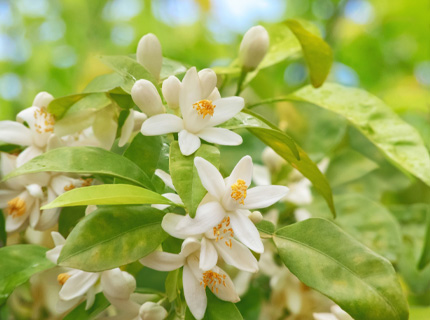
Orange Blossom
※ Farnesol is also one of the structural components of Vitamin K.
Main Functional Benefits
Research indicates that Farnesol provides multiple skin-beneficial effects:
- Smooths the appearance of wrinkles
- Helps maintain normal sebum secretion
- Improves skin elasticity
- Enhances tissue firmness and tension
- Increases moisture and hydration (enhancing skin structure and support)
Application Value in Products
Farnesol promotes cellular regeneration, helping to reduce signs of skin aging.
In skincare applications, it effectively improves:
- Rough skin texture
- Lack of elasticity
- Comprehensive aging-related concerns
Antibacterial & Functional Applications
Farnesol also exhibits antibacterial properties. It selectively inhibits odor-causing bacteria associated with perspiration, and is effective against acne-causing bacteria as well as dermatophytes on the skin (which can lead to eczema and athlete’s foot).